
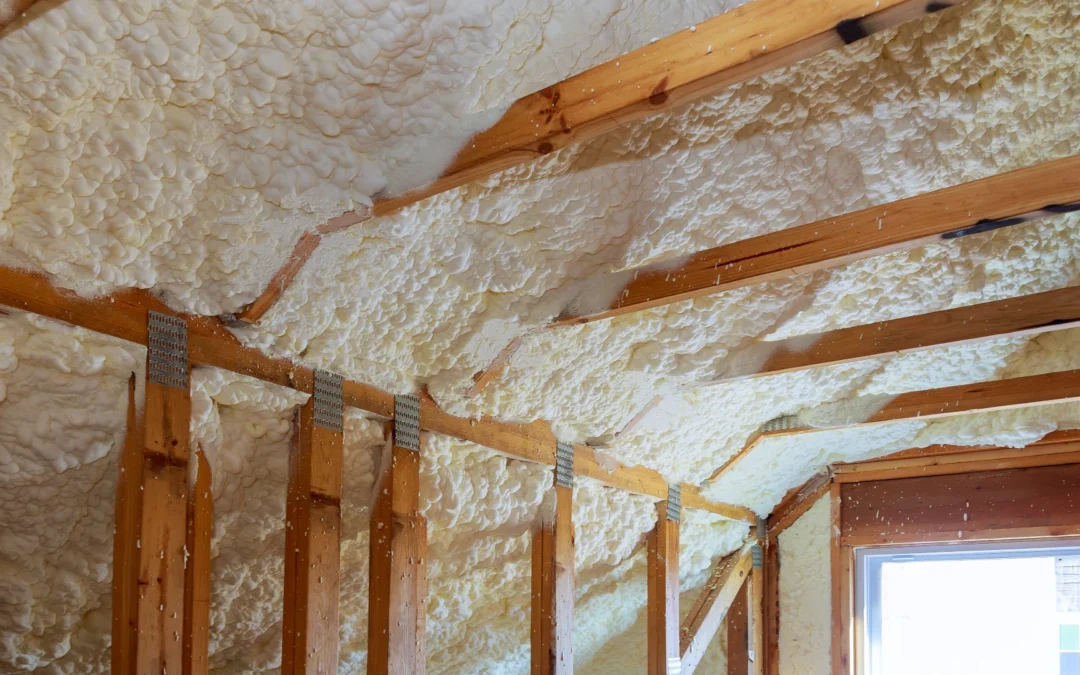
Spray foam insulation is renowned for its efficiency in energy conservation and soundproofing. However, there are situations where its removal becomes necessary, such as during renovations, rectifying incorrect application, or when it becomes a source of unpleasant smells or health hazards. Removing spray foam insulation can be complex and costly. In this post we will explore the various expenses involved in this process, including hiring professionals, renting equipment, handling disposal, and conducting any necessary structural repairs.
Professional Removal Services
Removing spray foam insulation is not a typical DIY project due to the need for specialised knowledge and tools. Professional services are often required to ensure the removal is thorough and safe. They can identify and address any underlying issues that may have been hidden by the insulation, ensuring a comprehensive solution. Additionally, professionals adhere to safety and environmental regulations, properly disposing of the removed materials to prevent any hazardous exposure.
Cost Considerations
- The cost largely depends on the amount of foam to be removed and the accessibility of the area. Hard to reach spaces like attics or tightly sealed walls increase labour costs.
- Open cell foam is softer and less dense, making it somewhat easier and cheaper to remove compared to closed-cell foam, which is more rigid and adherent.
- The geographic location also affects costs; with city or built up areas typically have higher rates than rural or remote areas.
Equipment Rental
If you decide to tackle some aspects of the foam removal yourself, you might need to rent specific tools. This is only advisable if you have experience with similar tasks, as improper handling can lead to damage or incomplete removal. Renting equipment without proper knowledge can increase the risk of personal injury or further complications.
Essential Equipment
Tools such as spray foam insulation saws or grinders help to cut through or grind down the foam. It is important to ensure you invest in proper safety equipment including respirators, goggles, and gloves as they are necessary to protect against potential irritants. Using protective clothing can safeguard your skin from exposure to harmful particles and chemicals during the removal process.
Rental Costs
Renting the necessary tools can cost anywhere from £50 to £200 per day, depending on the tool type and rental service. It’s important to factor in the potential duration of your project, as extended rental periods can significantly increase overall expenses.
Disposal Fees
Spray foam insulation requires proper disposal as it can contain materials that are harmful to the environment and disposal incurs fees as a result. These fees can vary depending on local regulations and the amount of material being disposed of, so it’s important to check with your local waste management facility for specific costs.
Disposal Considerations
If completing the removal yourself, ensure you adhere to local guidelines and laws regarding disposal of construction materials. Bear in mind that some types of foam might be categorised as hazardous waste, which can complicate and increase the cost of disposal.
Typical Disposal Costs
Based on the volume and nature of the material, larger projects generating more waste will naturally incur higher costs. Additionally, certain types of spray foam insulation may require special handling, which can further increase the disposal fees.
Structural Repairs
Removing spray foam insulation can sometimes lead to the discovery of mould, moisture damage, or other issues that might have been concealed by the insulation. Additionally, the removal process might cause some damage to surrounding materials.
Potential Repairs
Of course, the cost will depend on the extent of the damage and materials required to carry out the necessary repairs. If mould is found, professional remediation may be necessary, which can be costly.
Repair Costs
Minor repairs might cost a few hundred pounds, while extensive repairs and mould remediation can exceed £1,000. It’s important to address any issues promptly, as delays can lead to further damage and increased repair costs. Additionally, consulting with a professional can provide a more accurate estimate and ensure that all underlying problems are properly resolved.
Final Thoughts
The total cost of removing spray foam insulation varies widely based on the scope of the project, the conditions of the site, the type of foam, and the rates for professional services in your area. Given the complexities and potential risks involved, hiring professionals like TaylorMade Spray Foam Removal is usually the safest and most efficient approach.
Always consult with a reputable contractor to get a detailed estimate tailored to your specific situation. This can be done by giving TaylorMade a call on 0800 2922116, by emailing your enquiry to us at [email protected] or by filling in the relevant information into our online contact form. Remember, the upfront cost of removal can ultimately contribute to the long-term health of your building and its occupants.